
What Is a Mortise Lock and Why Commercial Doors Depend on It
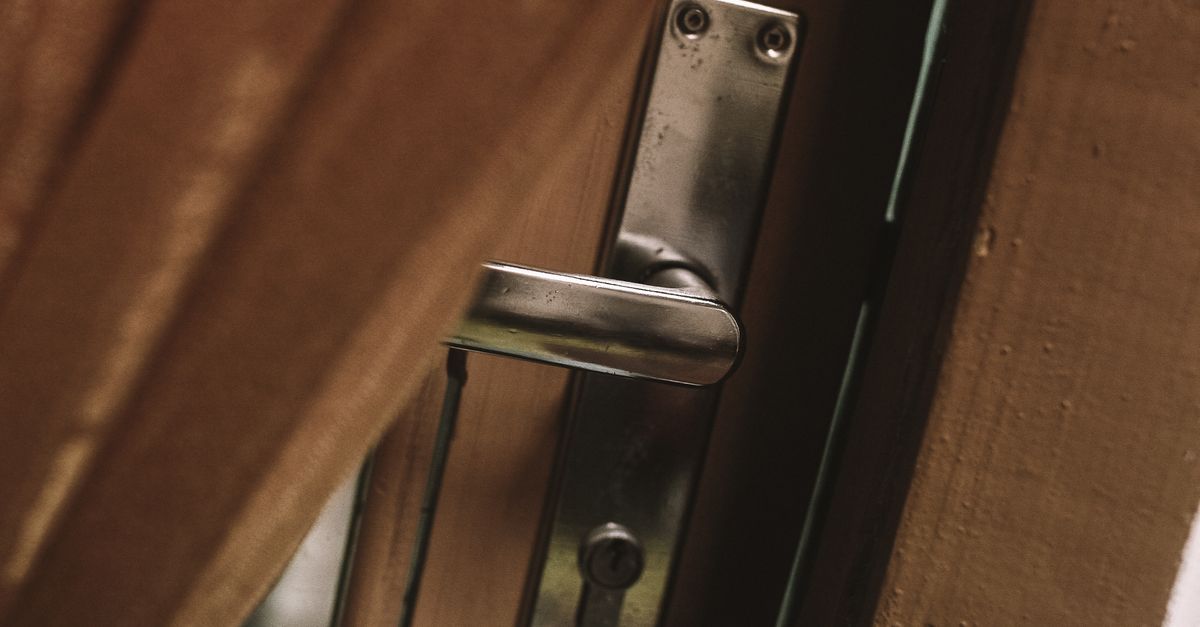
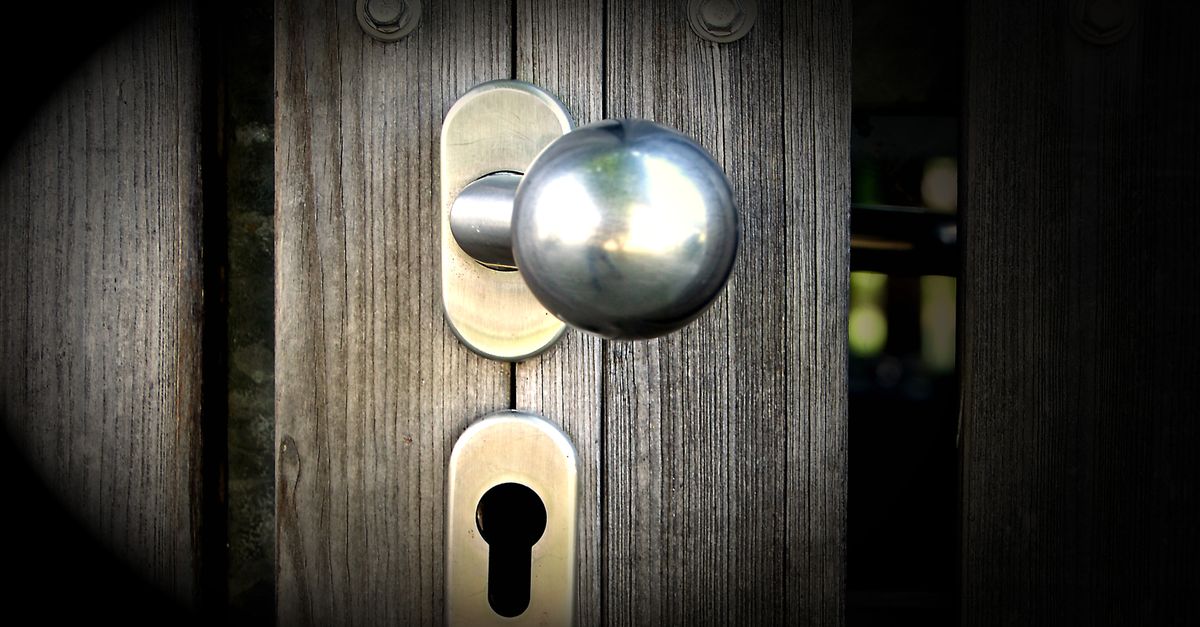
A mortise lock differs fundamentally from a cylindrical bored lock. Instead of a simple hole drilled through the door, a mortise pocket — a deep rectangular cavity — is cut into the door edge, and the lock body is set inside it. This gives the mechanism far more anchoring surface against the door material, which is why building codes and security consultants consistently specify mortise hardware for exterior commercial doors, fire-rated corridor doors, and high-traffic entries. The lock set typically includes a latch bolt for everyday pulling, a deadbolt for after-hours security, and an integrated cylinder that can accept key-controlled, master-keyed, or restricted-keyway configurations. Brands like Corbin Russwin and Baldwin have long produced commercial mortise lock sets that meet ANSI Grade 1 standards, and those are the calibers of hardware our technicians carry and install.
Understanding what a mortise lock is matters when something goes wrong. A door that drags, a latch that won't retract, a cylinder that turns but doesn't throw the bolt — these are not cosmetic nuisances. On a busy retail or medical entry in Suffolk County, a failing mortise lock can trap employees inside, lock out customers during business hours, or leave a rear fire-exit door non-functional in violation of local safety codes. Our technicians diagnose not just the cylinder or the cam but the entire lock body, the strike plate alignment, and the door frame condition before recommending a repair or a full replacement.