What Smart Lock Installation Actually Involves — and Why It Is Not a DIY Project
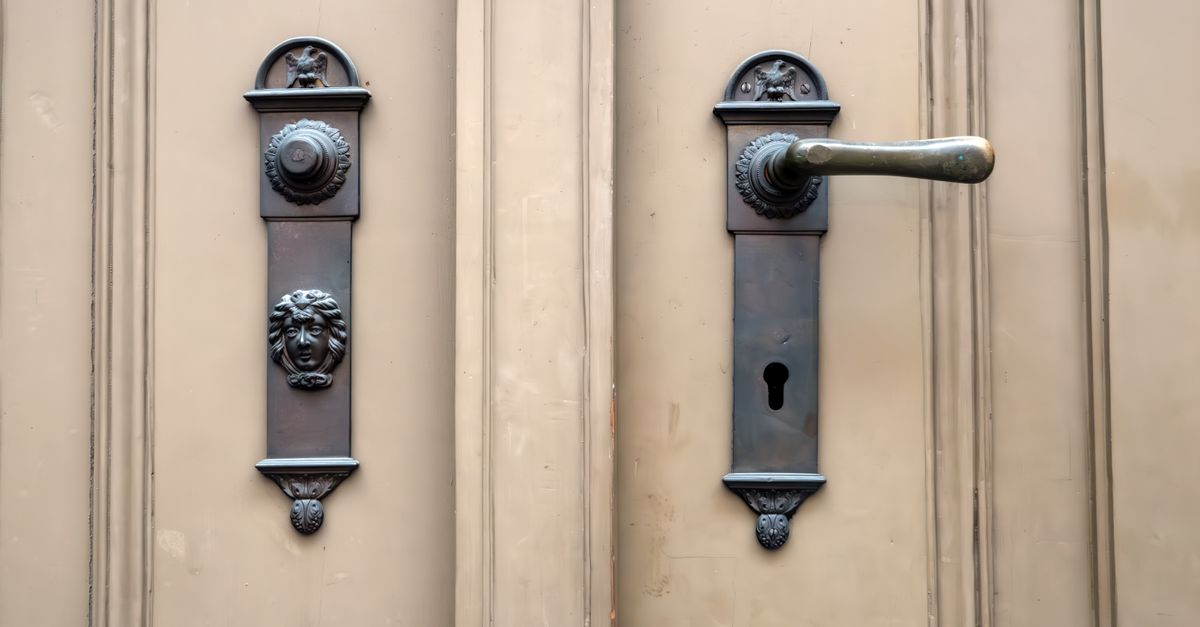
Most homeowners assume a smart lock drops right in wherever the old one was. In reality, a proper smart door lock installation requires measuring the door prep, confirming bore hole diameter, checking backset depth, verifying door thickness, and — critically — determining whether the existing hardware cut-out accommodates a standard cylindrical lock or a mortise lock configuration. Mortise smart lock units, which are common in older Suffolk County homes built before the 1970s and on nearly every commercial door in the county, require a rectangular pocket routed into the door edge. Installing one incorrectly can split a solid wood door stile, misalign the latch, or leave the lock mechanically vulnerable. Our technicians assess all of this on arrival before any hardware is touched.
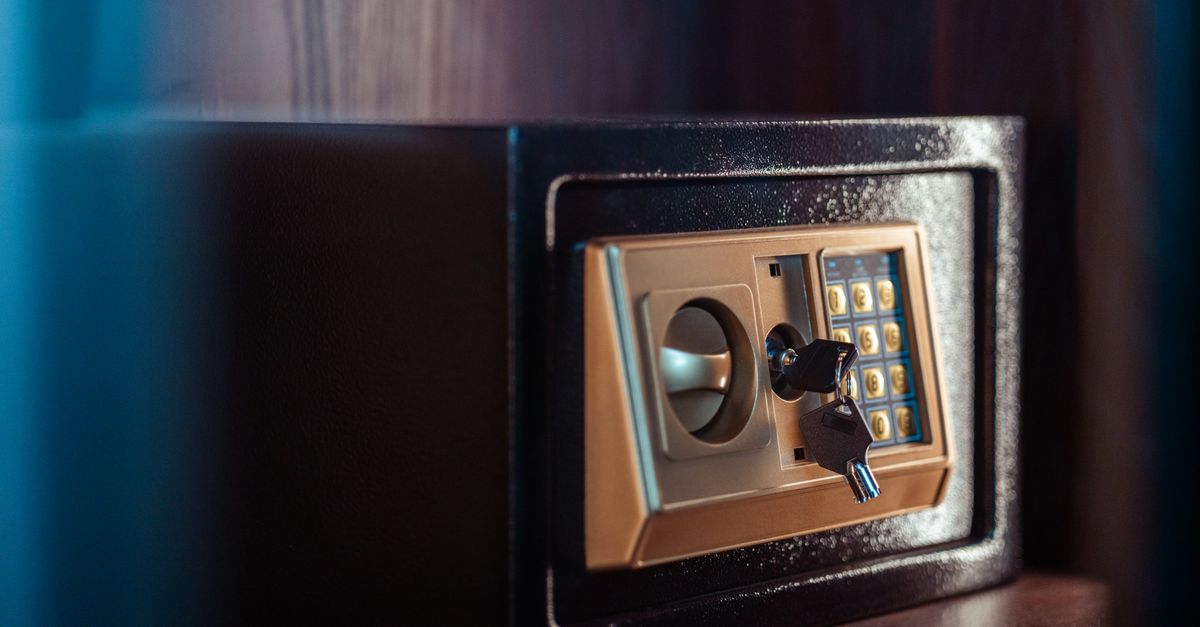
Beyond the physical fit, smart locks require app pairing, Wi-Fi or Z-Wave network integration, auto-lock timer configuration, and in many cases integration with existing alarm or access-control panels. A missed step during setup — like skipping the calibration cycle on a motorized deadbolt — causes the lock to drain batteries in days or lose connectivity entirely. Shirleylocksmithpro technicians walk through every configuration step on-site and confirm the lock is fully operational before they leave your property.